 DevotedHealthPro.com
 Maximizing Health Outcomes: Strategies for Effective Preventive Care
Understanding Preventive Care
Preventive care involves measures taken to prevent diseases, rather than treating them after they occur. This approach encompasses various aspects such as vaccinations, regular health screenings, healthy lifestyle choices, and early detection tests. By implementing preventive measures, individuals can significantly lower their risk of chronic conditions like heart disease, diabetes, and cancer, which are among the leading causes of death globally.
Strategic Elements of Effective Preventive Care
Regular Health Screenings and Assessments
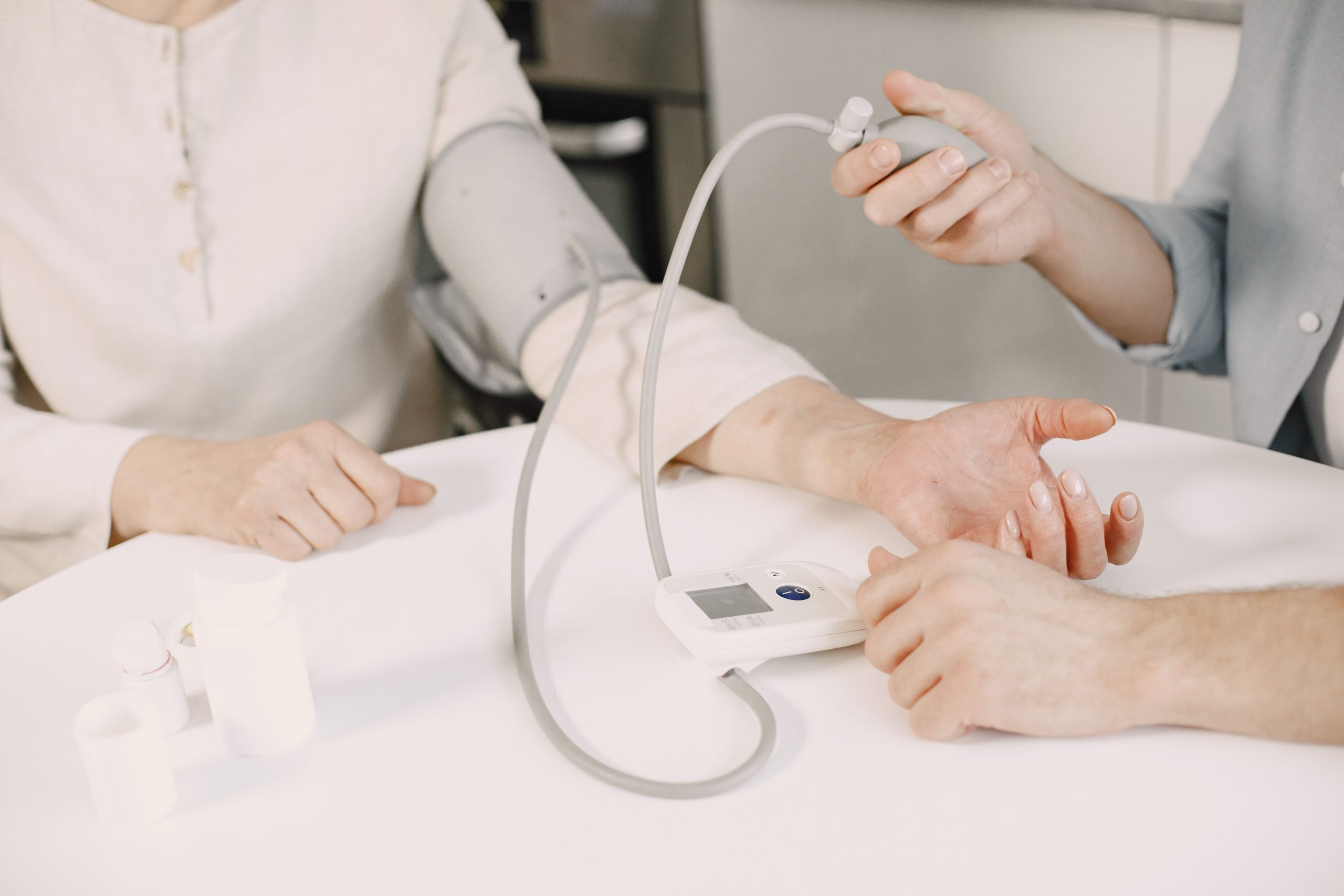
One of the pillars of preventive care is regular health screenings. These screenings can detect diseases in their nascent stages, often before symptoms are apparent. For instance, blood pressure screenings can help prevent hypertension-related complications, while mammograms can detect breast cancer early when it is most treatable. Scheduling regular check-ups is a strategic move that can lead to early intervention and better health outcomes.
Personalized Patient Education
Effective preventive care also hinges on personalized patient education. Healthcare providers must tailor their communication and advice based on individual patient needs. This includes educating patients on nutrition, exercise, smoking cessation, and proper management of pre-existing conditions. Accurate and relatable information empowers individuals to make informed decisions about their health.
Vaccination Programs
Vaccinations are one of the most cost-effective preventive measures. Establishing comprehensive vaccination programs can protect against a myriad of infectious diseases. From influenza to HPV, vaccines save millions of lives each year by bolstering the immune system against specific infections.
Lifestyle Modifications
Encouraging healthy lifestyle habits is another key strategy in preventive care. This includes promoting physical activity, advocating for balanced diets, and discouraging tobacco and excessive alcohol use. Lifestyle modifications can substantially reduce the risk of myriad health issues, particularly noncommunicable diseases like obesity and type 2 diabetes.
Incorporating Technology in Preventive Care
Advances in technology have opened new frontiers in preventive care. Telemedicine, wearable health devices, and health apps are examples of technological innovations that are enhancing the delivery of preventive care. These tools not only facilitate better monitoring and management of health conditions but also make healthcare more accessible and efficient.
Challenges and Solutions in Preventive Care
Overcoming Economic and Social Barriers
Despite its benefits, preventive care can be hindered by economic and social barriers. Lower-income populations may struggle with access to healthcare services. Addressing these disparities requires policy interventions such as expanding insurance coverage and offering free or low-cost screenings in underserved areas.
Improving Healthcare Provider Engagement
Healthcare providers play a pivotal role in the delivery of preventive care. Thus, improving their engagement through better training and incentives is essential. Ensuring that providers have the necessary resources and knowledge to educate and motivate patients towards preventive actions is fundamental.
Frequently Asked Questions About Preventive Care
What is the best age to start preventive care?
Preventive care should begin early in life and continue throughout. Certain preventive measures such as pediatric vaccinations start from birth, while others like regular adult health screenings may begin later. Consult with healthcare providers for age-appropriate preventive care guidelines.
How often should I undergo health screenings?
The frequency of health screenings might differ based on age, sex, and health status. It is best to follow the guidelines provided by health authorities like the Centers for Disease Control and Prevention (CDC) and discussions with your healthcare provider.
Can lifestyle changes really improve health outcomes?
Absolutely! Lifestyle changes such as improved diet, regular physical activity, and cessation of smoking can lead to significant improvements in health and reduce the risk of chronic diseases.
Conclusion
In summary, maximizing health outcomes through preventive care requires a multifaceted approach that includes regular screenings, personalized education, and lifestyle changes. By employing these strategies, individuals and healthcare providers can work together to foster a healthier future.